Governed lakehouse access for AI agents
Agents connect through MCP and OAuth, scoped to one environment. They query live data and context with no shared credentials or stale exports.
Scoped tools, not raw credentials
Agents authorize via OAuth, pick an organization and environment, then use MCP tools to inspect catalogs, run SQL, and work with saved assets.
OAuth MCP access
No shared database passwords or long-lived API keys.
Environment-scoped sessions
Each session is bound to one organization and environment.
Governed tool surface
Catalogs, semantic models, dashboards, insights, and SQL. No arbitrary database access.
Same data as your team
Agents query the same lakehouse namespace and saved work analysts use.
Read and write scopes
Read for inspection and SQL. Controlled writes for insights, memories, and tasks.
Scheduled tasks
Turn recurring agent work into operational monitoring.
Query live data, not shadow copies
Agent setups often fail on access and context: admin creds, copied API keys, stale exports, or metrics that differ from BI. Altertable routes agents through the same governed runtime.
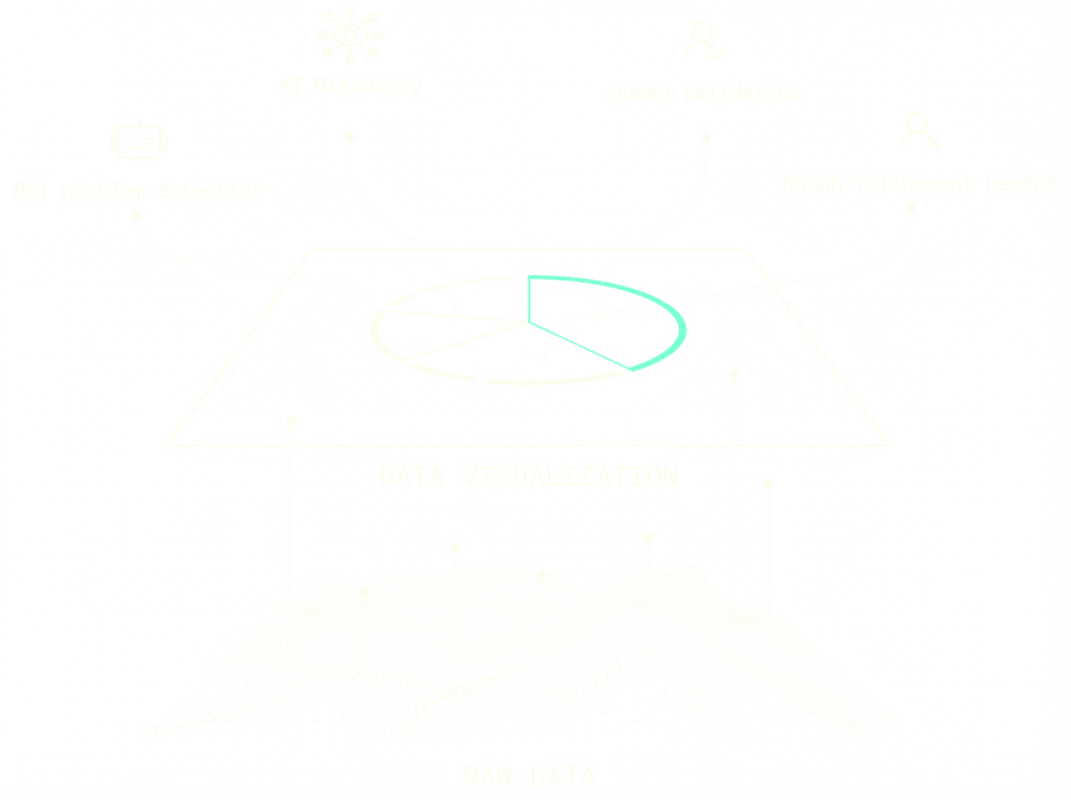
Over-broad warehouse creds
Agents get scoped tools, not admin database access.
Credential sprawl
OAuth replaces keys pasted into prompts and configs.
Metric drift
Same definitions, metrics, and saved work as dashboards.
Shadow exports
Query live catalogs instead of syncing CSVs or vector indexes.
What you get
Live data, shared context, and scoped access for agent workflows.
Context first
Catalogs, metrics, insights, and memories. Not a blank database connection.
OAuth, not copied keys
Agent sessions go through MCP authorization, not credentials in scripts.
Live lakehouse queries
Direct SQL on connected catalogs. No extract pipeline per workflow.
One runtime
Dashboards, SQL, apps, and agents share the same governed data layer.
Frequently asked questions
Is this a chatbot over my database?
No. It is a governed MCP tool interface with shared context, not arbitrary SQL through shared credentials.
Do agents need database passwords?
No. MCP agents connect through OAuth. Automated workflows use service accounts with RBAC scoped at the organization, environment, or catalog level. No shared database passwords.
Can an agent access every environment?
No. Authorization is scoped to the environment chosen at connect time.
Can agents write back?
Yes, with read/write scopes for insights, memories, notifications, and scheduled tasks. Preview outputs before they spread.
Explore the rest of the platform
More workloads on the same engine, governance, and pricing.
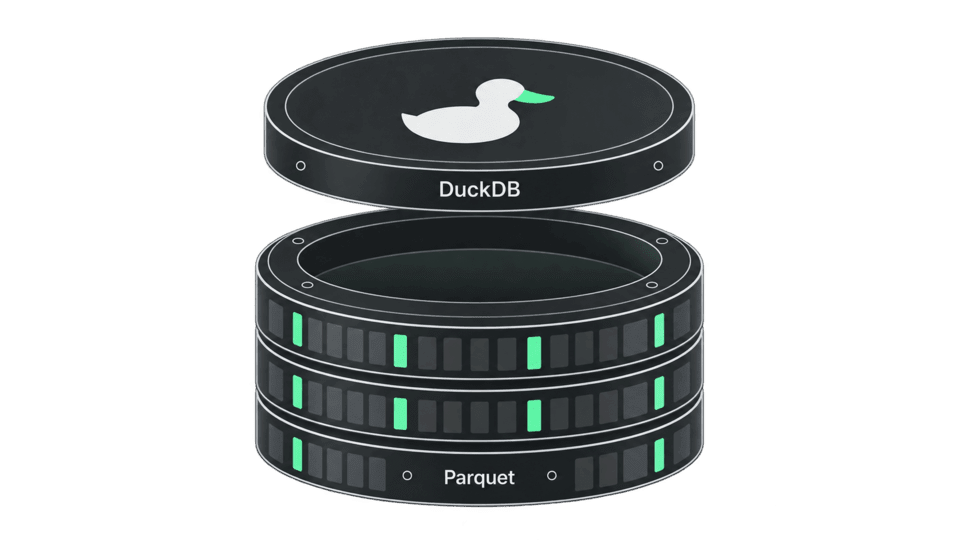
Lakehouse
Query live data across systems with DuckDB-powered execution, open storage, and predictable economics. Build on one context lakehouse instead of another warehouse-centered stack.
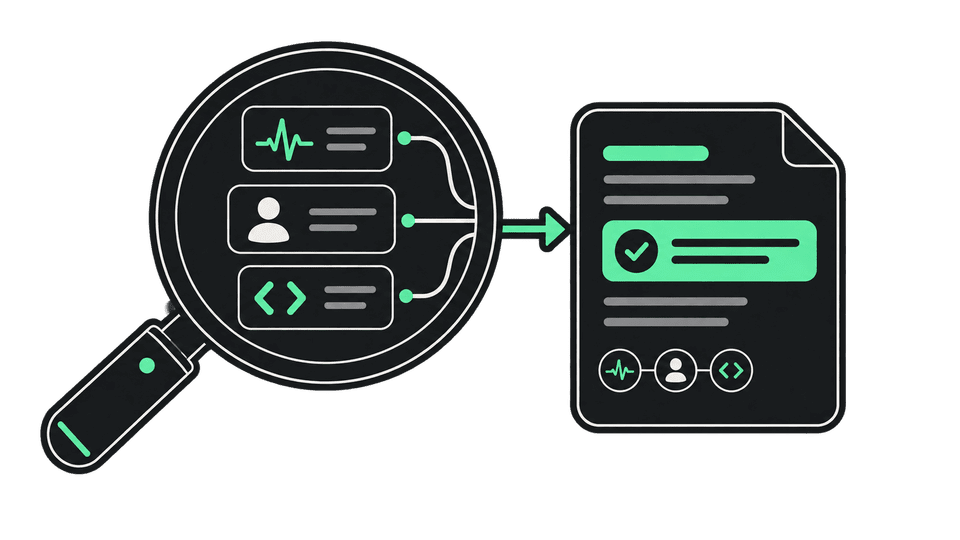
Cousteau

Investigate product changes across events, logs, customer data, and code. Cousteau brings back what changed, why, and who is affected.
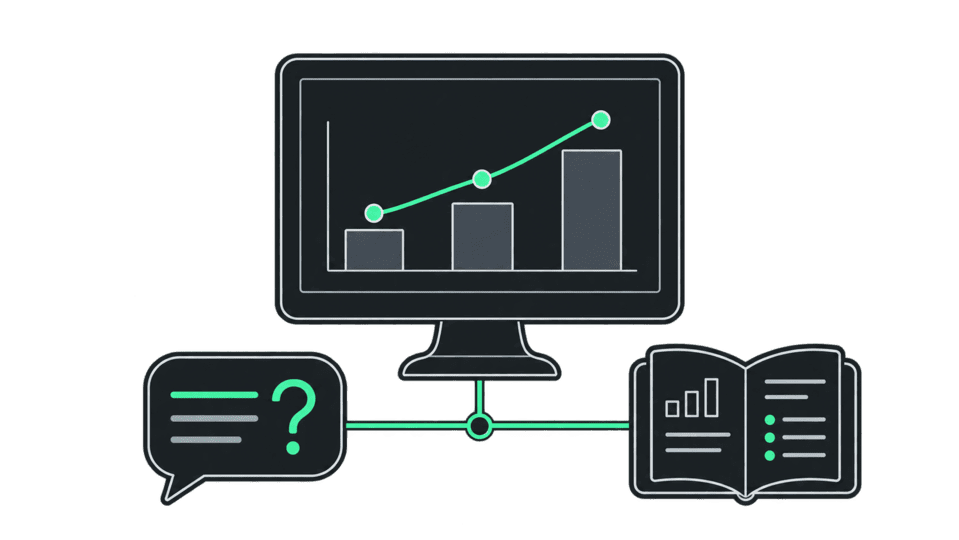
Self-serve BI
Give every team live dashboards, shared metrics, and agent-assisted exploration on the same governed data foundation.

Put agents on governed data
DuckDB workers on open formats, federated SQL across your existing systems,
and an MCP server for agents — at flat monthly pricing.