Operational lakehouse
Bring product, business, and operational data into one governed lakehouse, then serve analysts, dashboards, applications, and agents from the same live context.

How teams adopt the operational lakehouse
Start with storage and catalogs, query live data, then expose the same governed lakehouse to applications, BI, and agents — without bolting another warehouse onto the stack.
Bring every source into one live workspace
Keep the systems that already run your business in place, then make them queryable as one governed lakehouse. Product data, warehouse tables, operational replicas, and open files can finally answer the same question together.
- Start with the data you already have
Use built-in storage, bring your own object storage, or query existing databases and warehouses without starting a copy-and-sync project first.
- Give every source a stable home
Register files, tables, databases, and warehouses as named catalogs so teams stop hunting through disconnected systems before every analysis.
- Leave ownership where it belongs
Production systems stay authoritative. Altertable becomes the shared analytical layer that reaches them when teams, apps, or agents need live context.
What platform teams get
Federation without copy-out, predictable pricing, governance applied once, and enough interfaces that you do not have to rewrite the rest of the stack.
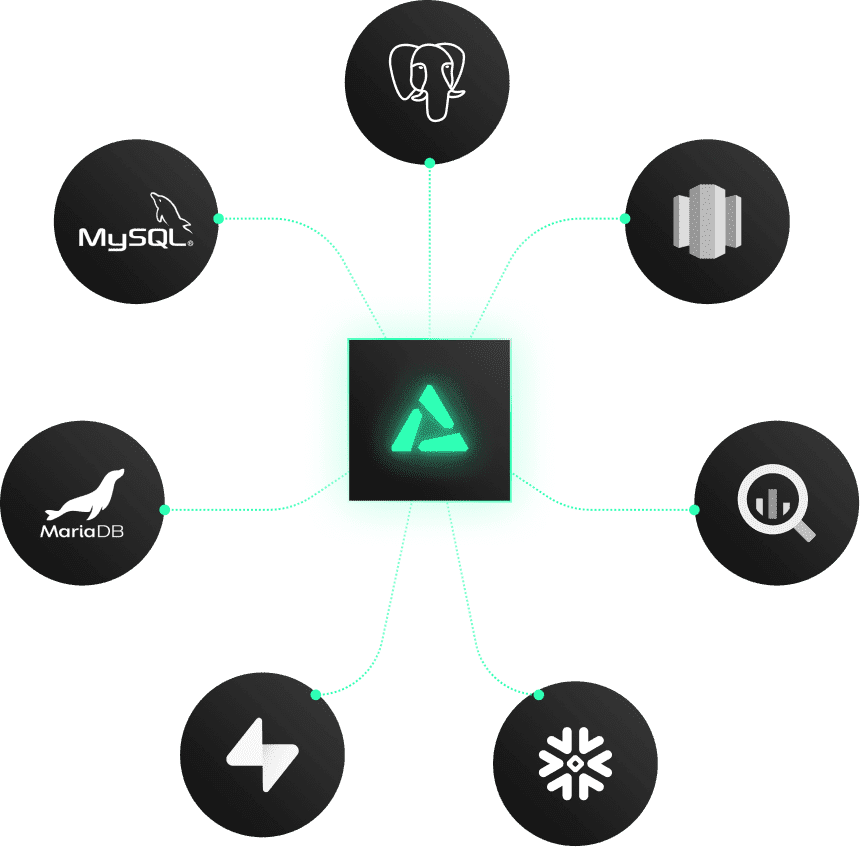
Federated by default
Connect databases, warehouses, Iceberg, and Bucket Tables as catalogs so everything is queryable from one SQL workspace.

Predictable pricing
Flat monthly pricing — unmetered queries, unlimited seats, no per-GB scan charges. Run benchmarks and agent traffic without surprise invoices. See pricing.
Controls every surface inherits
Set permissions, credential access, residency, and auditability once at the lakehouse layer, then let BI, applications, and agents inherit the same guardrails.

No migration cliff
Keep the tools and workflows your team already trusts while you move more workloads onto one shared lakehouse, one surface at a time.
Core lakehouse capabilities
Federation, open table formats, client interfaces, and discovery operators in one governed SQL layer.
Federated SQL across catalogs
Join managed Altertable catalogs with sources like Postgres, MySQL, ClickHouse, BigQuery, Snowflake, Redshift, Supabase, or any S3-compatible bucket and Iceberg tables in one SQL workspace.
Your data stays portable
Build on open lakehouse formats instead of trapping analytics in another proprietary warehouse. Altertable can work with the data you already store, without forcing a lock-in migration first.
Interfaces for every caller
Connect through HTTP, Arrow Flight SQL, the Postgres-compatible adapter, or MCP so applications, BI tools, and agents use the same lakehouse without rewrites.
Discovery operators in SQL
Full-text search with relevance scoring, regex predicates, and vector similarity (beta) all run as SQL — combine them with aggregations and federated joins in one query.
Your language, your stack
SDKs and adapters in the languages your team already uses,
so you ship without changing how you work.
Explore more use cases
Other workloads that share the same engine and governance.
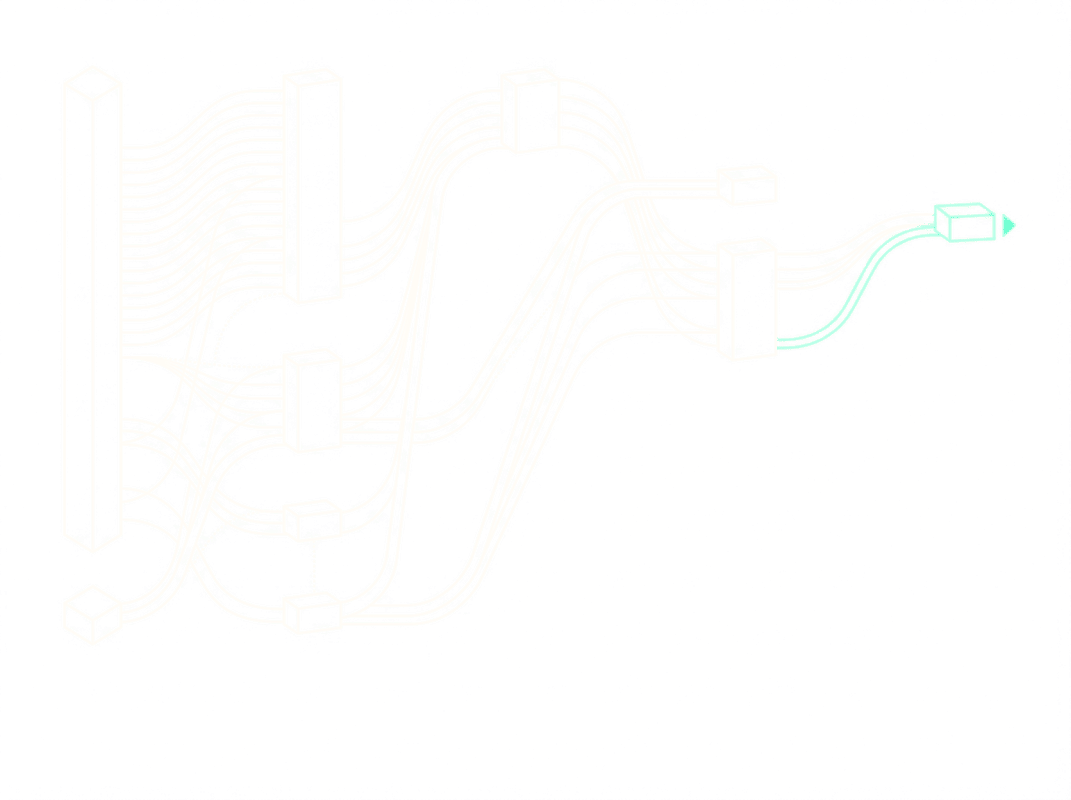
Product Analytics
Capture product data through Altertable's APIs, then analyze funnels, segmentation, and behavior in the same system as revenue, operations, and warehouse data.
Self-Serve BI
Build dashboards and visualizations on the same live engine used for SQL, then expose trusted metrics and insights to AI agents and collaboration tools through MCP.
Agentic Workflows
Give Claude, GPT, and any MCP client secure, governed access to query data, use tools, and work from the same live context as your team.


Run analytics, apps, and agents on one lakehouse
DuckDB workers on open formats, federated SQL across your existing systems,
and an MCP server for agents — at flat monthly pricing.
OR SUBSCRIBE TO OUR NEWSLETTER FOR UPDATES
For more information, please consult our Privacy Policy